Faculty Candidate · 2026
The neurobiology of risk & resilience across the lifespan.
Using the immune system as a window into how adversity is written into the brain and body, I study why early-life stress raises the risk of mental illness later in life and what allows some of us to stay resilient as we age.
EARLY LIFE
A window of vulnerability
Brain and immune systems co-assemble in early life. Adversity during this window is embedded in both, shaping long-term trajectories.
ADULTHOOD
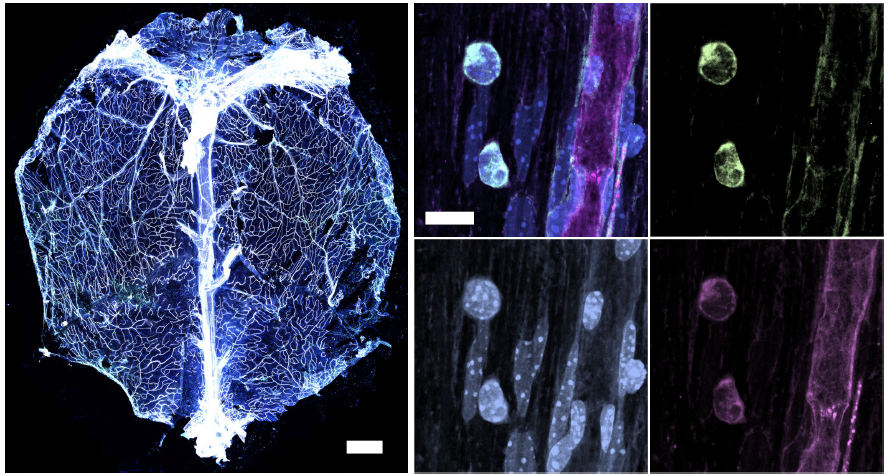
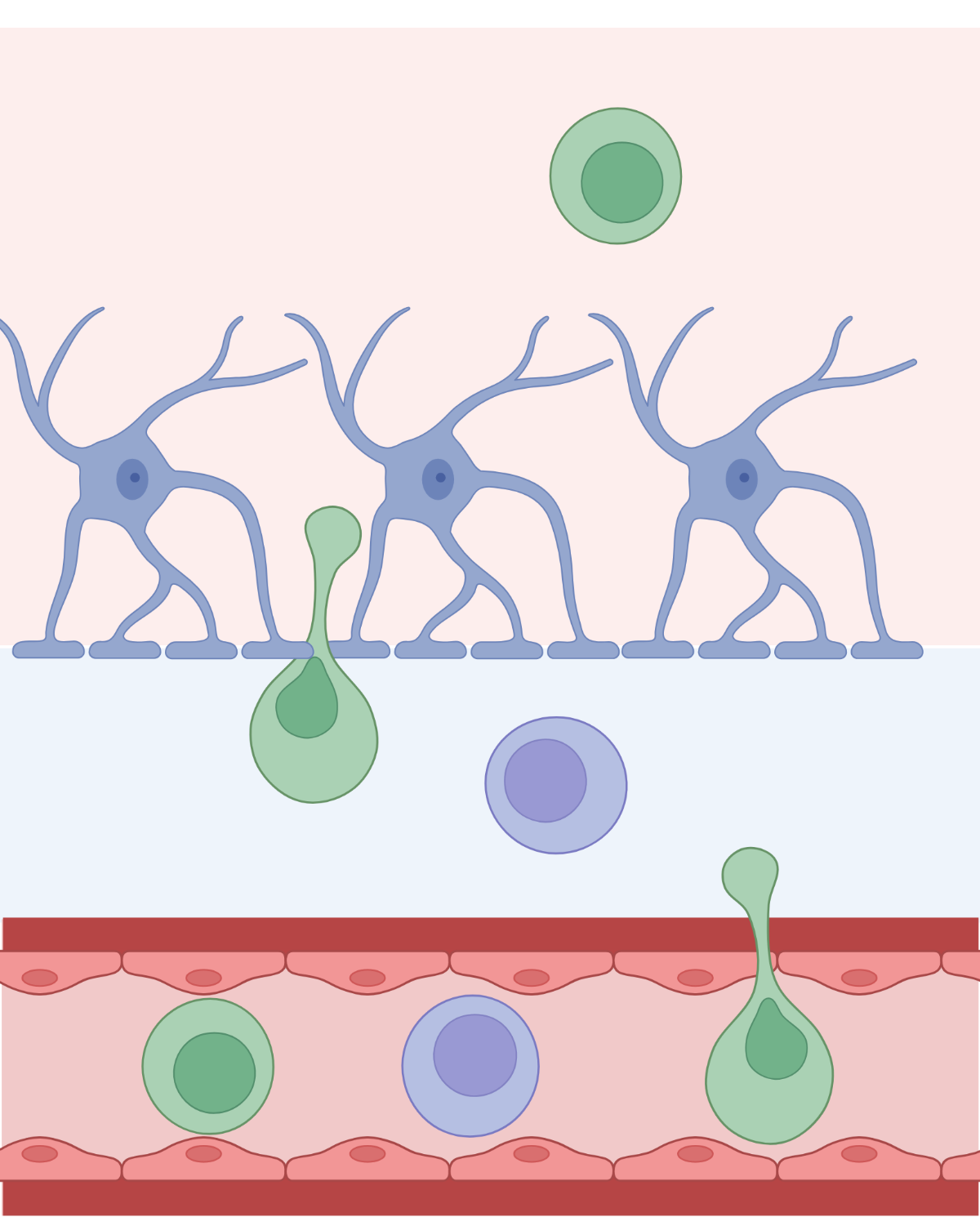
Stress at the brain's borders
Chronic stress reshapes immune signaling at the meninges—the brain's protective border—altering mood and behavior.
LATER LIFE
Resilience & aging
Why are some people susceptible to early adversity and others aren’t? How does early-life reprogramming influence immune aging and later-life cognitive risk?