How does early-life stress shape mental health for a lifetime?
Mental illness rarely has a single cause; risk accumulates across the lifespan. Some people exposed to early adversity develop disorders while others stay well. I use the immune system as a window into brain-body mechanisms influenced by early life stress. My research traces that signal from development, through adult stress reactivity, into later-life aging.
What explains risk versus resiliency?
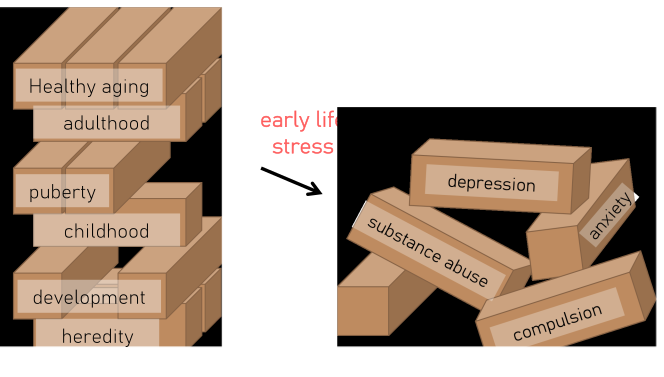
Mental illness rarely has a single cause. Think of vulnerability as a Jenga tower: heredity, early development, and life experience each remove a brick. Some towers absorb the losses and remain standing; others reach a tipping point and fall. My work focuses on one especially load-bearing brick—early-life stress—to understand who is susceptible, who is resilient, and why.
Epigenetics, sex, and social behavior
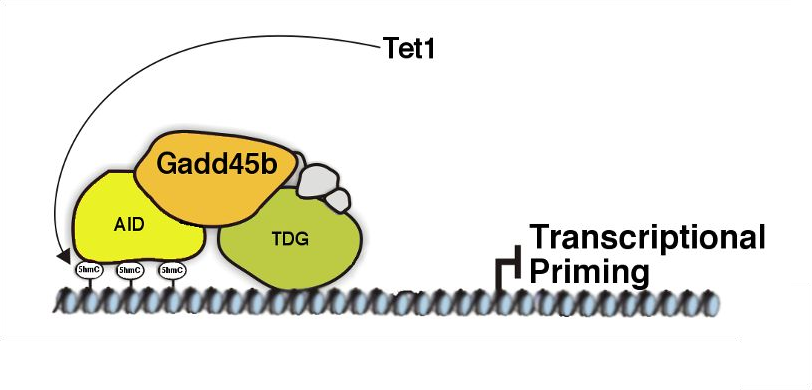
My doctoral work at University of Wisconsin-Madison identified Gadd45b—an epigenetic regulator expressed more highly in females—as a switch for juvenile social behavior. Briefly reducing it in the newborn amygdala reorganized social play in adolescence and transiently quieted pro-inflammatory signaling, an early link between the epigenome, the immune system, and sex-specific behavior.
Stress reshapes immunity at the brain's borders
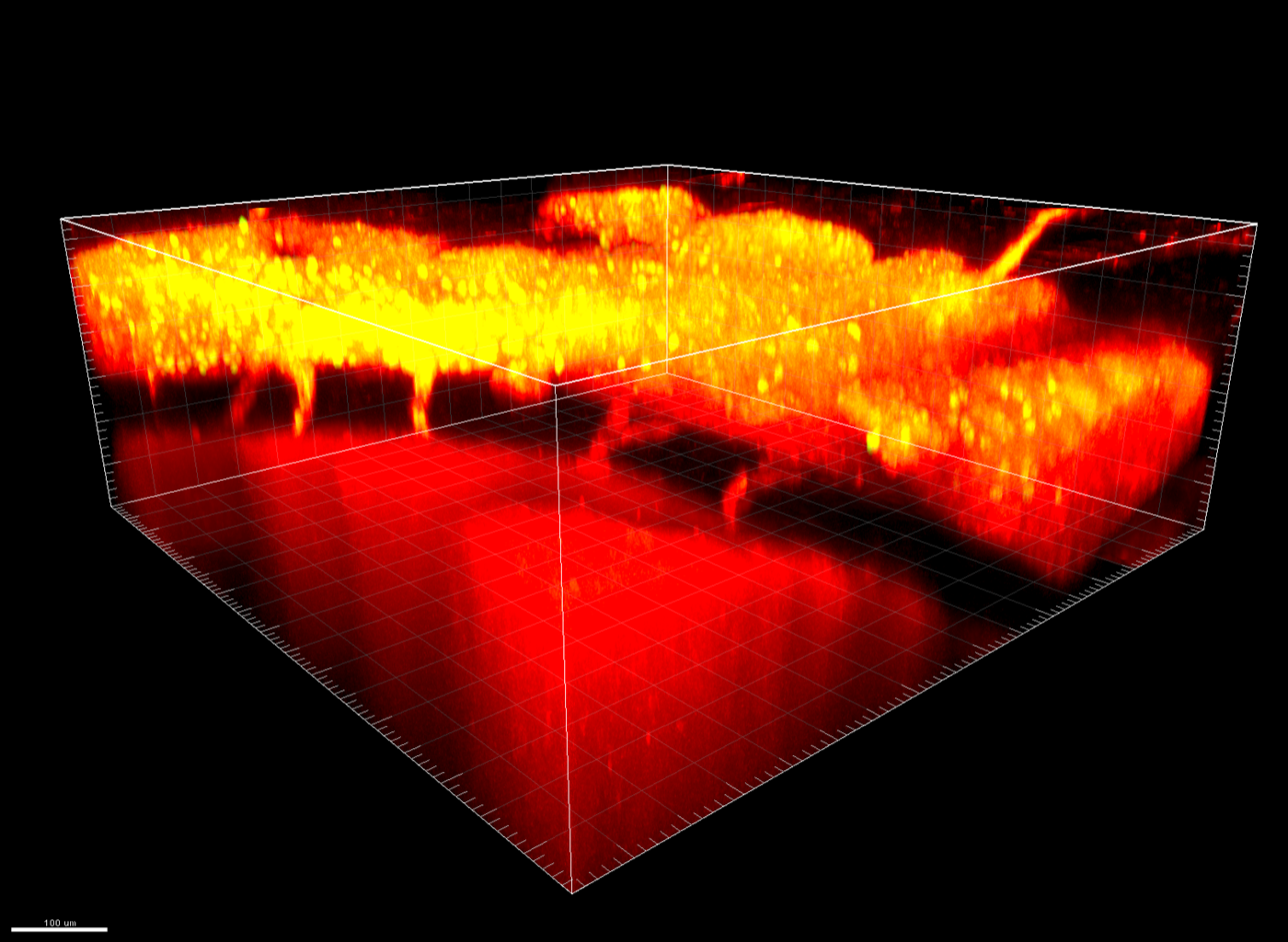
At NIMH, in a mouse model of chronic social stress, I showed that immune cells called neutrophils accumulate in the meninges—the brain's protective lining—by trafficking directly from skull bone marrow rather than from blood. This build-up is driven by type I interferon signaling, and blocking that signal rescues both the cellular change and stress-induced depressive- and anxiety-like behavior. A coordinated shift in B cells acts further upstream.
How early-life stress is imprinted on immune cells
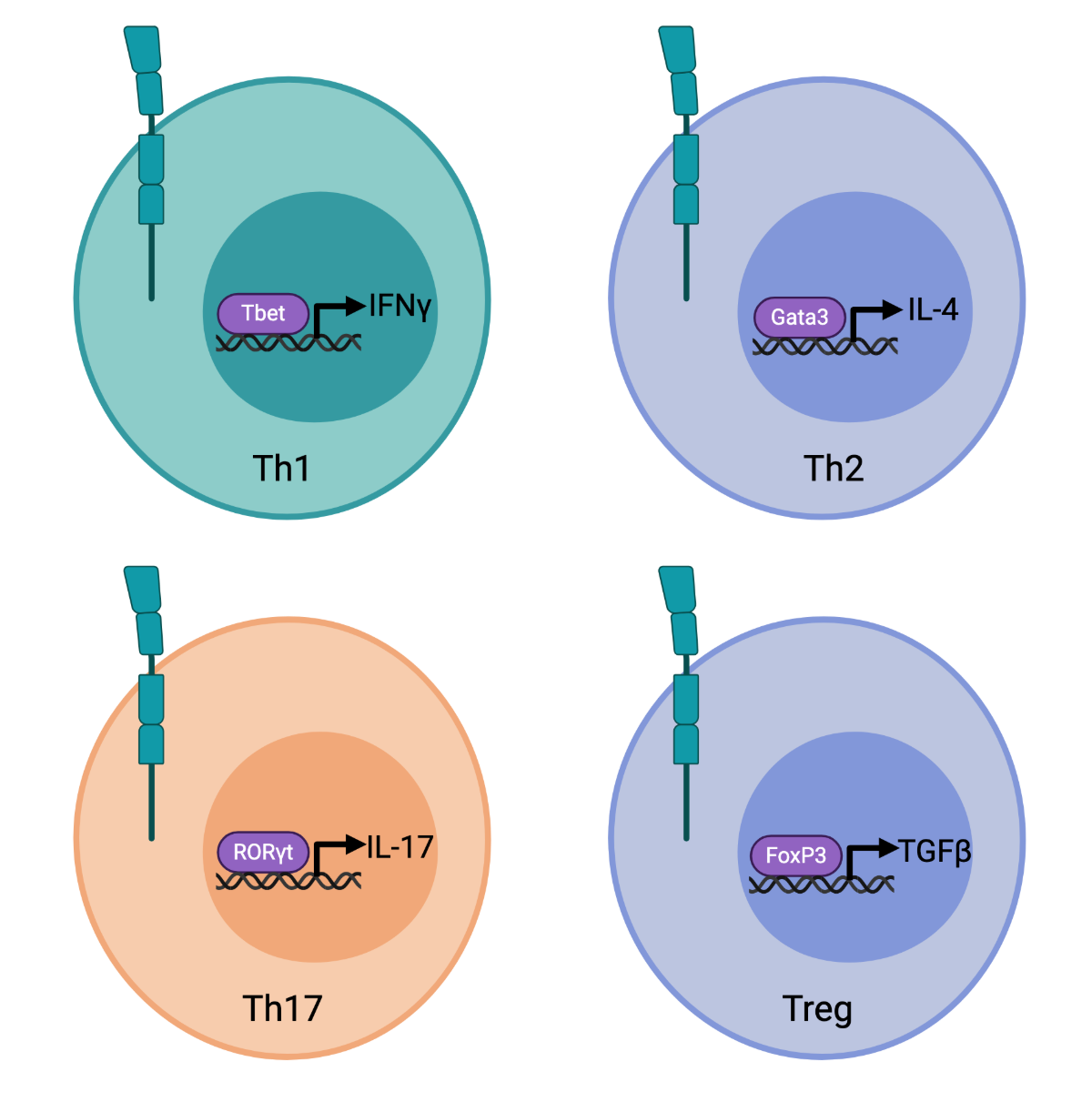
Previous work has shown T cells are amongst the strongest peripheral immune predictors of depression, and psychiatric genetic risk is concentrated in the regions of the genome these cells use. At Cambridge, I ask whether early-life adversity leaves a lasting epigenetic mark on circulating T cells — profiling sorted cells from clinical cohorts with a purpose-built, open-access analysis pipeline.
Approaches & techniques
My lab will open the black box between early adversity and adult psychiatric risk — building a developmental model of stress that asks when vulnerability is installed, where in the body it acts, and who is susceptible.
Early-life Mechanisms shaping Brain and immune Risk: The "EMBiR" Lab
When is stress embedded?
Mapping the developmental windows—across both sexes—when the brain and immune system are most sensitive to adversity.
Where does it act — and what's targetable?
Testing causal, already-druggable pathways to ask whether the psychiatric effects of early adversity can be prevented or reversed.
Who is resilient?
Using natural variation in stress outcomes—and sex as a candidate resilience factor—to find what protects the brain across the lifespan.
Funding & support
My research has been made possible by generous support from: